Discover the Health Benefits of Tai Chi Practice
- davidhartleybland8
- Mar 27
- 4 min read

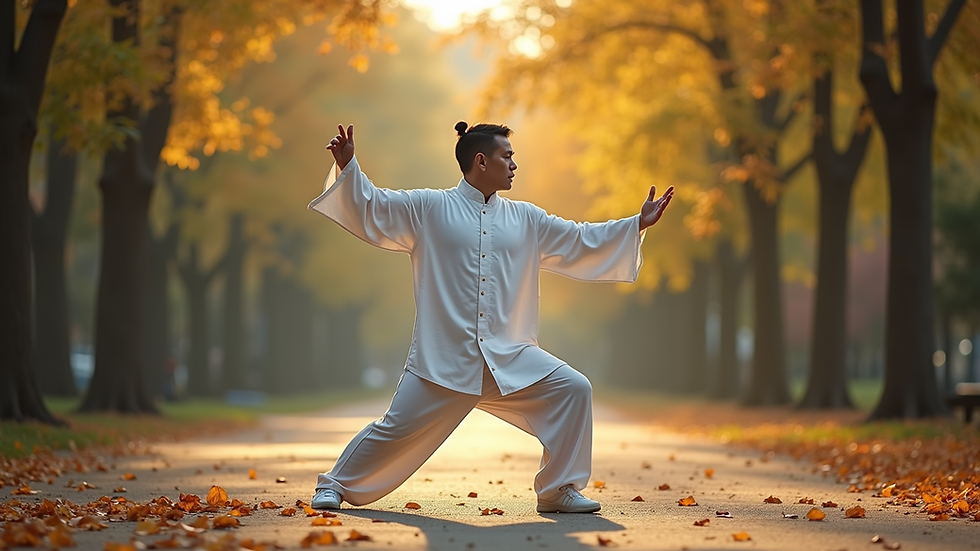
Tai Chi, often described as "meditation in motion," is a centuries-old practice that combines gentle physical exercise, breathing techniques, and mindfulness. While it may appear simple, Tai Chi offers a wealth of health benefits that can enhance both physical and mental well-being. In this blog post, we will explore the various advantages of incorporating Tai Chi into your daily routine, backed by research and practical examples.

Understanding Tai Chi
What is Tai Chi?
Tai Chi, or Tai Chi Chuan, originated in China as a martial art. It is characterized by slow, flowing movements and deep breathing. Unlike many forms of exercise that focus on strength or speed, Tai Chi emphasizes relaxation, balance, and coordination. This makes it accessible to people of all ages and fitness levels.
The Philosophy Behind Tai Chi
At its core, Tai Chi is rooted in Taoist philosophy, which emphasizes harmony and balance. Practitioners believe that by aligning the body and mind, one can achieve a state of tranquility and well-being. This holistic approach is what sets Tai Chi apart from other forms of exercise.
Health Benefits of Tai Chi
1. Improved Balance and Coordination
One of the most significant benefits of Tai Chi is its ability to enhance balance and coordination. Research has shown that regular practice can reduce the risk of falls, particularly in older adults. The slow, controlled movements help strengthen the muscles and improve proprioception, which is the body's awareness of its position in space.
Example: A study published in the Journal of the American Geriatrics Society found that older adults who practiced Tai Chi had a 47% lower risk of falls compared to those who did not engage in any balance training.
2. Stress Reduction and Mental Clarity
Tai Chi is often described as a moving meditation. The focus on deep breathing and mindful movement helps reduce stress and anxiety. Practitioners report feeling more relaxed and centered after a session, which can lead to improved mental clarity and focus.
Example: A study conducted by the University of California, Los Angeles, found that participants who practiced Tai Chi experienced significant reductions in stress levels and improved mood compared to a control group.
3. Enhanced Flexibility and Joint Health
The gentle movements of Tai Chi promote flexibility and joint health. Unlike high-impact exercises, Tai Chi is low-impact and easy on the joints, making it an excellent choice for individuals with arthritis or other joint issues.
Example: Research published in the journal Arthritis Care & Research found that Tai Chi can improve joint function and reduce pain in individuals with osteoarthritis.
4. Cardiovascular Health
Regular Tai Chi practice can have a positive impact on cardiovascular health. Studies have shown that it can lower blood pressure, improve circulation, and enhance overall heart health.
Example: A meta-analysis published in the British Journal of Sports Medicine found that Tai Chi significantly reduced systolic and diastolic blood pressure in older adults.
5. Boosted Immune System
Engaging in Tai Chi may also strengthen the immune system. The combination of physical activity, stress reduction, and improved mental well-being can lead to a more robust immune response.
Example: A study published in the Journal of Alternative and Complementary Medicine found that older adults who practiced Tai Chi had higher levels of immune function compared to those who did not.
Getting Started with Tai Chi
Finding a Class
If you're interested in trying Tai Chi, consider joining a local class. Many community centers, gyms, and wellness studios offer beginner classes. Look for instructors who are certified and experienced in teaching Tai Chi.
Practicing at Home
For those who prefer to practice at home, there are numerous online resources available. YouTube has a wealth of instructional videos, and there are apps designed to guide you through Tai Chi routines.
Tips for Beginners
Start Slow: Begin with short sessions, gradually increasing the duration as you become more comfortable.
Focus on Breathing: Pay attention to your breath as you move. Inhale deeply through your nose and exhale through your mouth.
Stay Present: Try to clear your mind and focus on the movements and sensations in your body.
Common Misconceptions About Tai Chi
Tai Chi is Only for Older Adults
While Tai Chi is often associated with older adults, people of all ages can benefit from its practice. Many martial artists incorporate Tai Chi into their training for its balance and coordination benefits.
Tai Chi is Too Easy to Be Effective
Some may perceive Tai Chi as a gentle exercise with little impact. However, the slow, deliberate movements require concentration and can be quite challenging, especially for beginners.
Conclusion
Incorporating Tai Chi into your routine can lead to a multitude of health benefits, from improved balance and flexibility to reduced stress and enhanced cardiovascular health. Whether you choose to join a class or practice at home, the key is to stay consistent and enjoy the journey.
As you explore the world of Tai Chi, remember that it's not just about the movements; it's about cultivating a sense of peace and balance in your life. So why not give it a try? Your body and mind will thank you.

Comments