Mindfulness Through Tai Chi: A Beginner's Guide
- davidhartleybland8
- Mar 27
- 5 min read

In a world that often feels chaotic and overwhelming, finding moments of peace and clarity can be a challenge. One effective way to cultivate mindfulness is through Tai Chi, an ancient Chinese martial art that combines gentle movements, meditation, and deep breathing. This beginner's guide will explore the principles of Tai Chi, its benefits for mindfulness, and how you can get started on your journey toward greater awareness and tranquility.
What is Tai Chi?
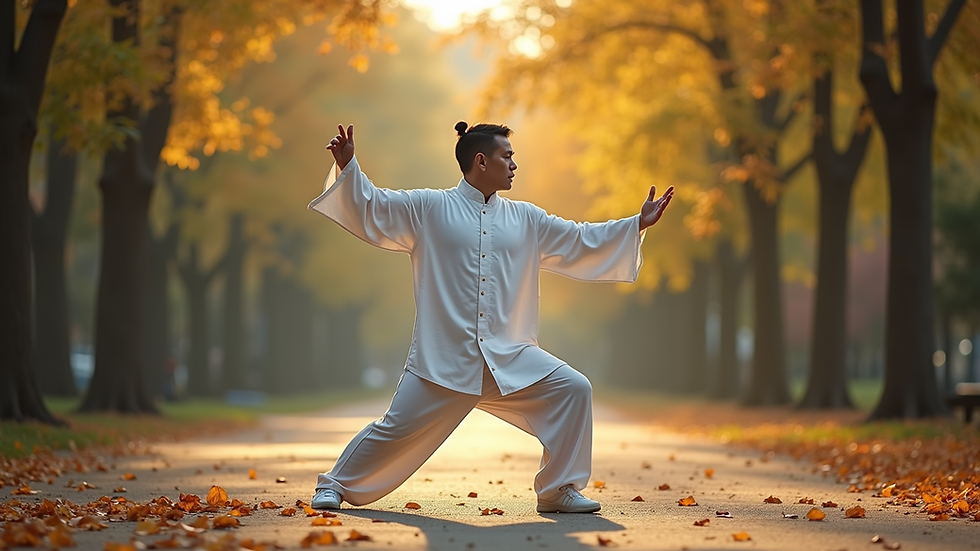
Tai Chi, also known as Tai Chi Chuan, is a form of exercise that originated in China. It is characterized by slow, flowing movements and is often described as "meditation in motion." Unlike many other forms of exercise, Tai Chi emphasizes relaxation, balance, and mindfulness rather than competition or intensity.
The History of Tai Chi
Tai Chi has its roots in ancient Chinese philosophy and martial arts. It was developed over centuries, with various styles emerging, including Yang, Chen, Wu, and Sun. Each style has its unique characteristics, but all share the fundamental principles of balance, harmony, and mindfulness.
The Principles of Tai Chi
At its core, Tai Chi is built on several key principles:
Mindfulness: Being present in the moment and aware of your body and surroundings.
Breath Control: Coordinating breath with movement to enhance relaxation and focus.
Balance: Developing physical and mental balance through slow, deliberate movements.
Flow: Emphasizing smooth transitions between movements to create a sense of harmony.
The Benefits of Tai Chi for Mindfulness
Engaging in Tai Chi offers numerous benefits that can enhance your mindfulness practice. Here are some of the key advantages:
1. Reduces Stress
Tai Chi encourages relaxation and deep breathing, which can significantly reduce stress levels. The slow movements and focus on the present moment help to calm the mind and alleviate anxiety.
2. Improves Focus and Concentration
Practicing Tai Chi requires concentration and awareness of your body. This heightened focus can translate into improved concentration in other areas of your life, making it easier to stay present and engaged.
3. Enhances Physical Health
Regular practice of Tai Chi can improve flexibility, balance, and strength. These physical benefits contribute to overall well-being and can help prevent injuries, especially in older adults.
4. Promotes Emotional Well-being
Tai Chi fosters a sense of inner peace and emotional stability. The meditative aspects of the practice can help you manage your emotions and cultivate a positive mindset.
5. Connects Mind and Body
Tai Chi emphasizes the connection between the mind and body. By focusing on your movements and breath, you can develop a deeper awareness of your physical sensations and emotional state.
Getting Started with Tai Chi
If you're interested in incorporating Tai Chi into your mindfulness practice, here are some steps to help you get started:
1. Find a Class or Instructor
Look for local Tai Chi classes or instructors in your area. Many community centers, gyms, and wellness studios offer classes for beginners. Alternatively, you can find online resources and videos to guide you through the basics.
2. Wear Comfortable Clothing
Choose loose-fitting, comfortable clothing that allows for freedom of movement. Tai Chi is typically practiced barefoot or in soft-soled shoes to enhance balance and stability.
3. Create a Calm Environment
Find a quiet space where you can practice without distractions. Whether indoors or outdoors, a peaceful environment will enhance your experience and help you focus.
4. Start with Basic Movements
Begin with simple Tai Chi movements to familiarize yourself with the practice. Focus on your breath and the sensations in your body as you move. Here are a few basic movements to try:
Commencing Form: Stand with your feet shoulder-width apart, arms relaxed at your sides. Inhale as you raise your arms to shoulder height, then exhale as you lower them back down.
Wave Hands Like Clouds: Shift your weight to one foot, then gently sway your arms side to side, mimicking the motion of clouds drifting in the sky.
Single Whip: Step to the side while extending one arm forward and the other arm back, creating a flowing motion.
5. Practice Regularly
Consistency is key to reaping the benefits of Tai Chi. Aim to practice for at least 15-30 minutes a few times a week. As you become more comfortable, you can gradually increase the duration and complexity of your practice.
Integrating Mindfulness into Your Tai Chi Practice
To deepen your mindfulness experience during Tai Chi, consider the following tips:
1. Focus on Your Breath
Pay attention to your breath as you move. Inhale deeply through your nose, allowing your abdomen to expand, and exhale slowly through your mouth. Synchronizing your breath with your movements enhances relaxation and mindfulness.
2. Be Present
Stay focused on the present moment. If your mind begins to wander, gently bring your attention back to your breath and movements. This practice of redirecting your thoughts is a key aspect of mindfulness.
3. Cultivate Gratitude
As you practice Tai Chi, take a moment to express gratitude for your body and the ability to move. Acknowledging your physical capabilities can enhance your overall sense of well-being.
4. Reflect After Practice
After your Tai Chi session, take a few minutes to reflect on your experience. Consider how you felt physically and emotionally during the practice. Journaling your thoughts can help reinforce your mindfulness journey.
Common Misconceptions About Tai Chi
As you embark on your Tai Chi journey, you may encounter some common misconceptions. Here are a few to keep in mind:
1. Tai Chi is Only for Older Adults
While Tai Chi is often associated with older adults due to its low-impact nature, it is suitable for people of all ages. Many young individuals practice Tai Chi for its health benefits and stress relief.
2. Tai Chi is Just Stretching
Although Tai Chi includes stretching movements, it is much more than that. It combines physical exercise, meditation, and mindfulness, making it a holistic practice.
3. You Need to Be Flexible to Start
You do not need to be flexible or fit to begin practicing Tai Chi. The movements can be adapted to suit your current physical abilities, and over time, you will likely notice improvements in your flexibility and strength.
Conclusion
Tai Chi is a powerful practice that can enhance your mindfulness journey. By incorporating its principles into your daily routine, you can cultivate a greater sense of awareness, reduce stress, and improve your overall well-being. Whether you are a complete beginner or have some experience, Tai Chi offers a unique opportunity to connect your mind and body in a meaningful way.
Take the first step today by finding a class or practicing at home. Embrace the journey of mindfulness through Tai Chi, and discover the peace and clarity that awaits you.


Comments